


Garnish Dehydration: Elevating Cocktail Presentation
Garnish can add flavour nuances and aesthetics that capture the drinker's attention. Elevate your garnish further using the art of dehydration.
Estimated reading time: 4 minutes
Garnish often takes centre stage in cocktail artistry, adding flavour nuances and aesthetics that capture the drinker's attention. Among the many techniques mixologists use to perfect their garnishes, dehydration stands out as both an art and a science that preserves nature's bounty to create concentrated flavours.
Let's explore the meticulous world of garnish dehydration, where preservation meets presentation, and every cocktail tells a visual tale.
Understanding Garnish Dehydration

Understanding Garnish Dehydration
Garnish dehydration removes moisture from fruits, herbs, or other organic materials, intensifying their flavours and extending their shelf life. What results is a crisp, concentrated version of the original garnish in taste and appearance. Dehydrated garnishes offer textural contrast, a pop of flavour, and a preserved aesthetic that fresh garnish cannot replicate.
Dehydrated garnishes can also be a great addition to sustainable practices in that they reduce food waste by effectively extending the shelf life of fresh ingredients. What’s more, dehydration allows bartenders to preserve seasonal ingredients when they are in good supply and less expensive, which can help reduce the demand for out-of-season produce that requires more resources to grow and transport.
Essential Tools for Garnish Dehydration
Food Dehydrator: A device designed to remove moisture from food items at controlled temperatures.
Oven: In the absence of a dehydrator, a conventional oven set at a low temperature can achieve similar results.
Airtight Containers: For storing dehydrated garnishes, ensuring they remain crisp and free from moisture.
Techniques And Best Practices
Preparation: Before dehydration, fruits like apples or pears can be brushed with lemon juice to preserve colour.
Consistent Slicing: Uniformly thin slices ensure even dehydration and reduce the risk of some parts burning while others remain moist.
Temperature Monitoring: Lower temperatures for extended periods usually yield the best results, preserving colour and flavour.
Storage: Once dehydrated, garnishes should be stored in airtight containers, preferably with silica gel packets, to absorb residual moisture.
Dehydration In Modern Mixology

Dehydration In Modern Mixology
The trend of using dehydrated garnishes is flourishing, giving mixologists a broader palette of flavours and presentations to explore:
Citrus Wheels: Dehydrated lemon, orange, or grapefruit slices add aesthetic beauty and release potent citrus aromas.
Herb Crisps: Dehydrated rosemary, basil, or mint offer intense bursts of flavour and can even be ground into powders for rimming glasses.
Floral Wonders: Edible flowers and leaves, when dehydrated, become ethereal garnishes, adding elegance and a touch of whimsy to cocktails.
Fruit Chips: Ingredients like pineapple, apple, or kiwi can be transformed into flavourful chips, adding taste and texture to the drink.
Putting It into Practice: Dehydrated Raspberries

Putting It into Practice: Dehydrated Raspberries
Add a pink burst of colour to your cocktails with dehydrated raspberries.
Dehydrating raspberries is an excellent way to maximise the flavour of the right drink, seen mainly in French Martinis. Once dehydrated, the raspberries have a longer shelf life, which helps to reduce fruit waste.
Follow the step-by-step guide below:
Inspect raspberries: Remove any berries that may be developing mould.
Wash: Rinse the raspberries to remove any pesticides.
Dry: Gently shake, drain, and lay out on towels to allow water to evaporate.
Place: Place the raspberries on the trays ready for the dehydrator.
Dehydrate: Dry the fruit in the dehydrator at 125F/52C for 24-36 hours.
Storage: Store raspberries in an airtight container for up to a year.
Garnish: Crush the dry raspberries with a muddler until crumbled to fine powder and sprinkle over the cocktail.
Key Takeaways
Garnish dehydration celebrates preservation, ensuring that nature's fleeting beauty and flavour can be captured, savoured, and showcased in drinks across seasons.
Essential tools include a food dehydrator, oven, and airtight containers.
Techniques and best practices include preparation, consistent slicing, temperature monitoring and storage.
Citrus wheels, herb chips, floral wonders, and fruit chips are popular examples of garnish dehydration in modern mixology.
Join the Community
Looking for further inspiration? Get free access to exclusive, training, news, trends and resources when you sign up as a Diageo Bar Academy member.
RELATED CONTENT
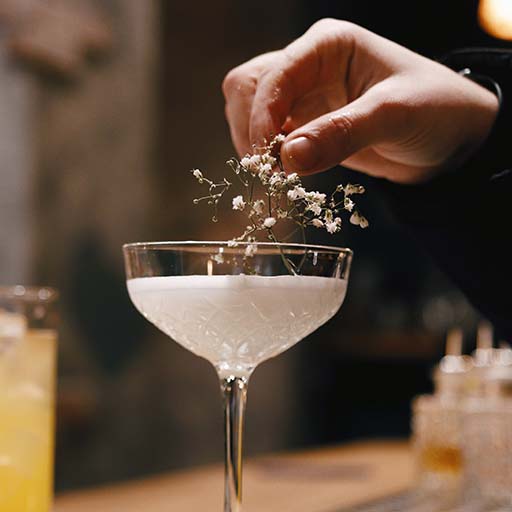
Cocktail Garnishes: A Complete Guide
Give your serves the wow factor with our expert guide to cocktail garnishes -full of tips, ideas, and inspiration for perfecting your drinks.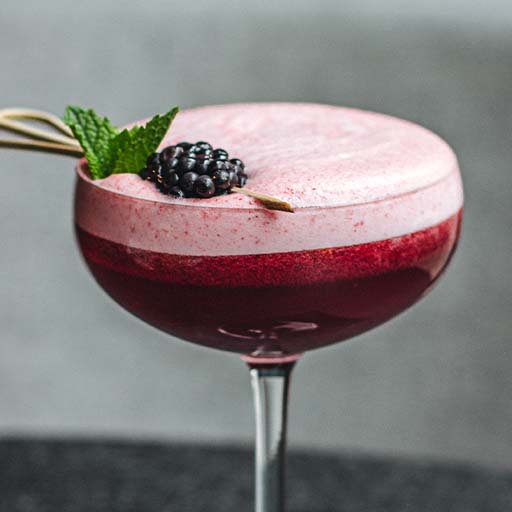
Understanding Foams and Airs In Cocktail Creation
Explore how foams and airs can be used to craft artistic, visually striking cocktails and how they can improve the texture of your drinks.
Smoking Cocktails
Explore the exciting art of smoking cocktails to add an aromatic edge and take your drinks to the next level.


